Building Strong Foundations Through Our Early Learning Curriculum
Early childhood is an exciting time for children as they explore the world around them, develop new skills and begin to build a foundation for future learning.
At City Impact Church Childcare & Preschool, our curriculum is designed to make learning engaging, relevant and part of everyday life. Through play, hands-on experiences and intentional learning opportunities, children are encouraged to explore, ask questions, solve problems and develop confidence in their abilities.
From literacy and numeracy to physical development, communication and social skills, our curriculum supports children as they grow and prepare for their next step into school.
Learning Through Everyday Experiences
Learning doesn’t always look like sitting down with a pencil or completing a worksheet. For young children, learning happens through doing, exploring and discovering.
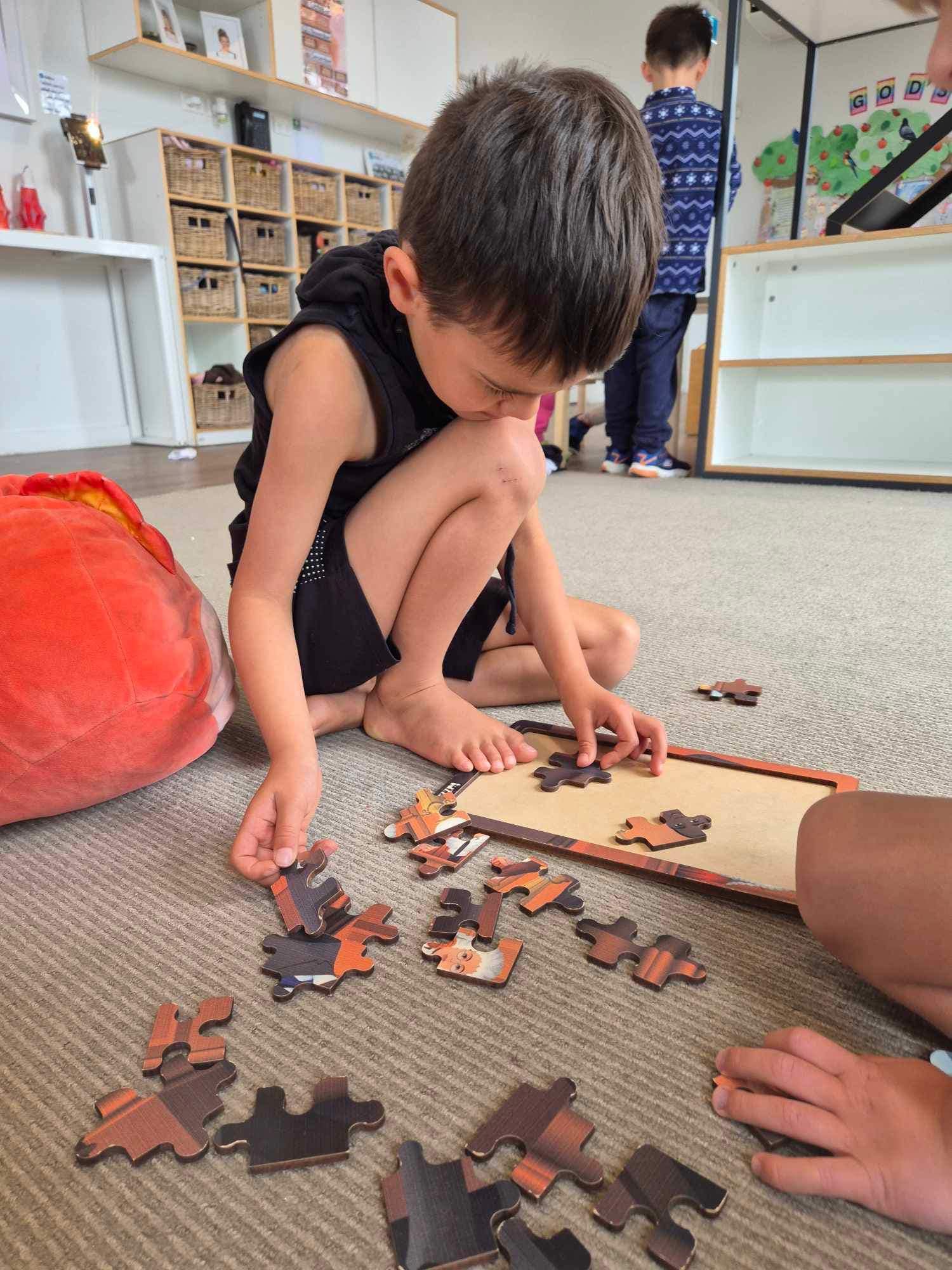
Our teachers create opportunities for children to develop new skills through activities that are meaningful and enjoyable. Whether they’re counting toys as they pack them away, listening to a story, building with blocks or exploring water and sand, children are developing important skills that support their learning. These everyday experiences allow children to learn at their own pace while encouraging curiosity and a love of learning.
Building Early Literacy Skills
Literacy skills begin developing long before children hold their first pencil.
Reading aloud and encouraging children to tell their own stories helps them understand language, build their vocabulary and spark their imagination. Songs, rhymes and conversations also give children opportunities to listen, communicate and express their ideas.
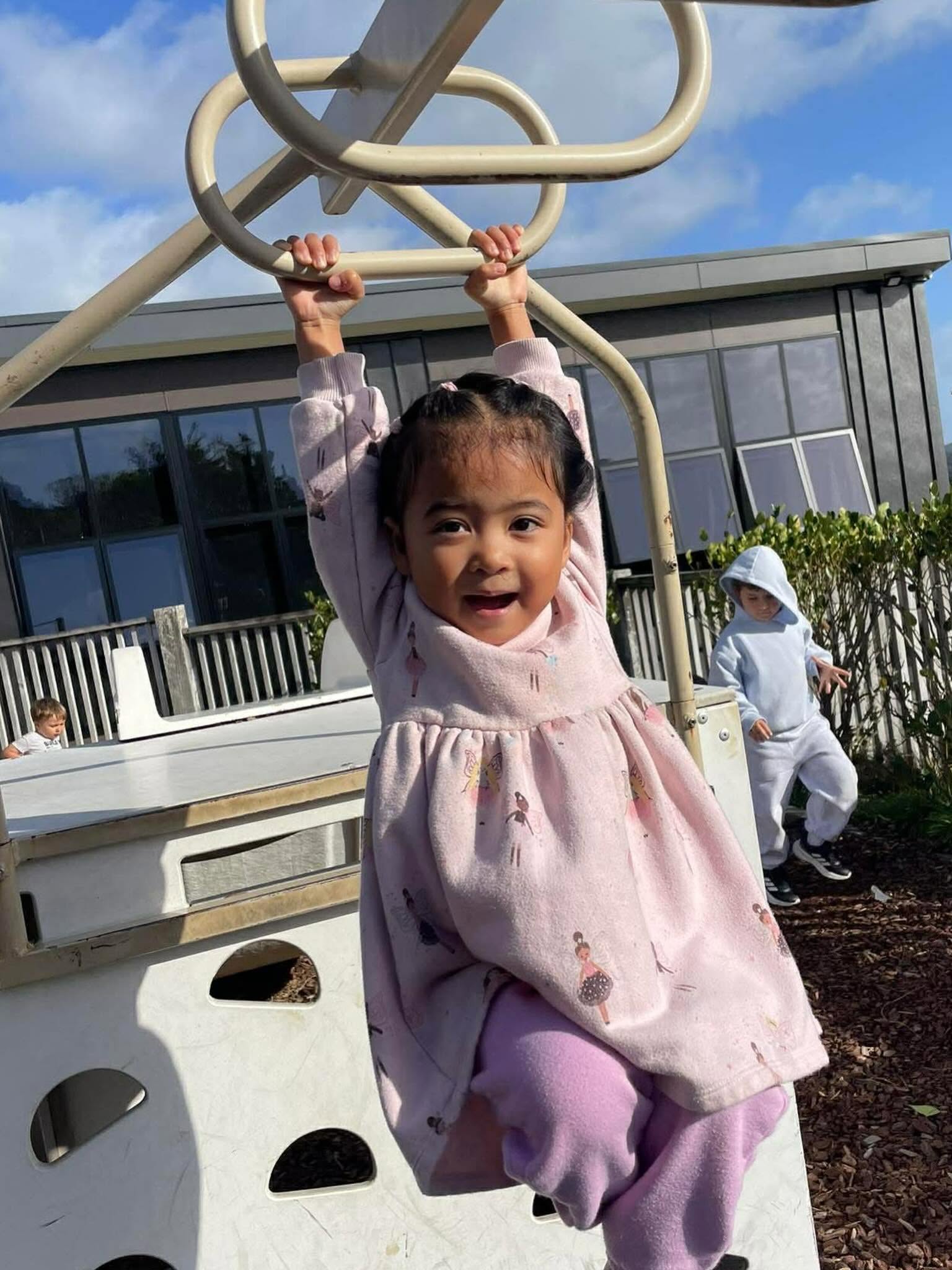
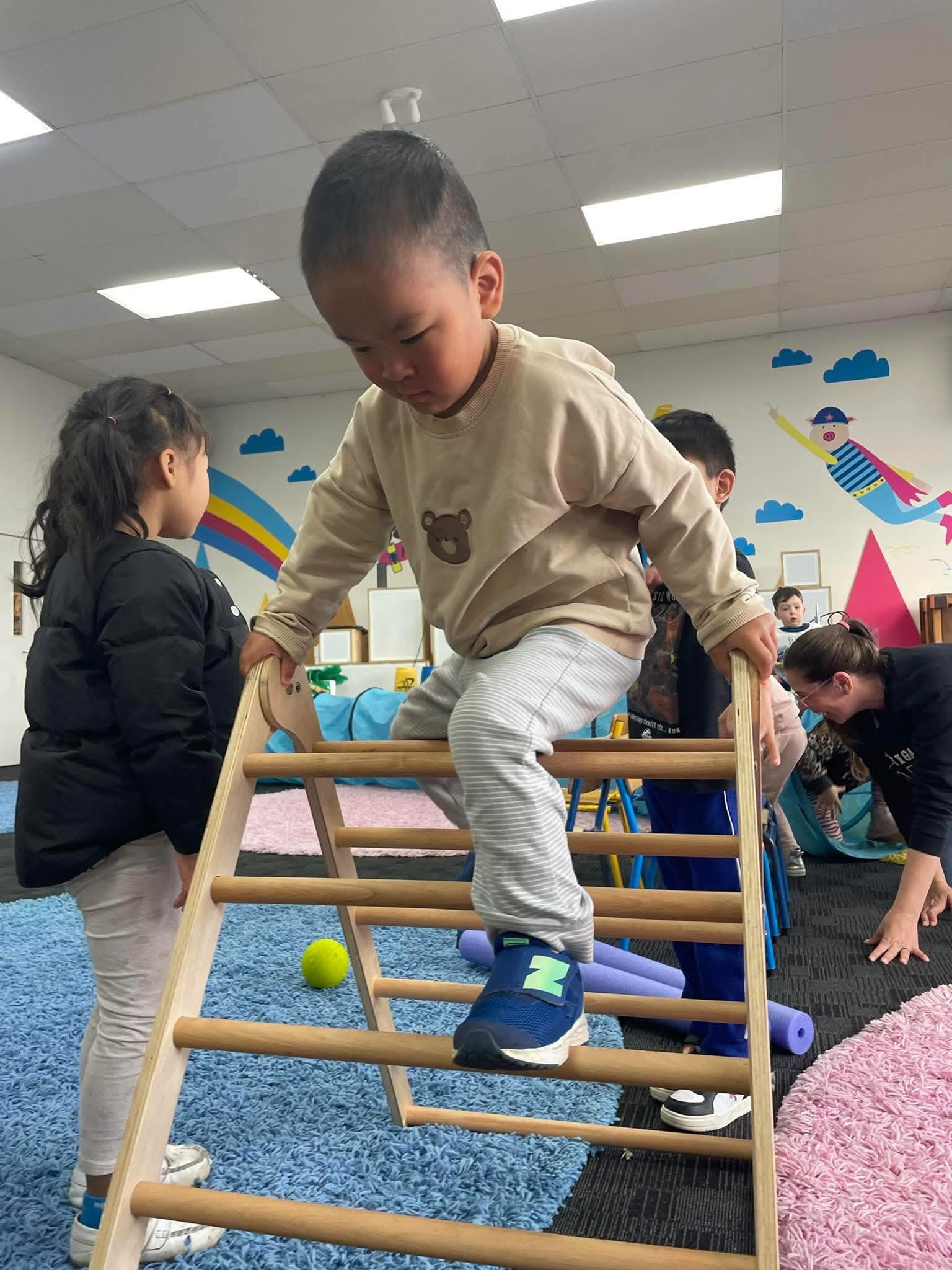
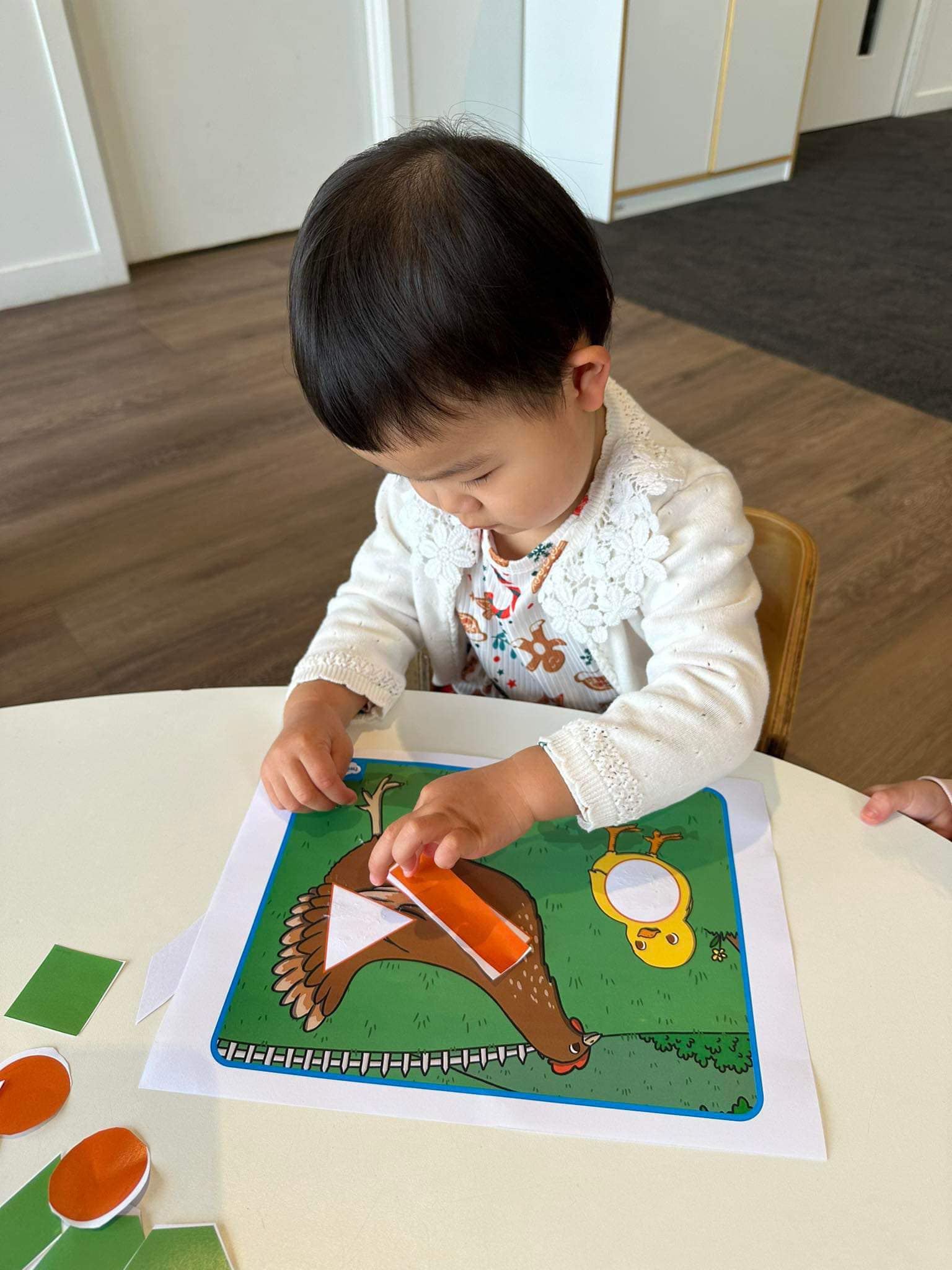
We also provide activities that help develop the fine and gross motor skills needed for writing. Playing with playdough, threading beads and using scissors helps strengthen the small muscles in children’s hands and fingers, while activities such as climbing, jumping and using monkey bars help develop arm, shoulder and core strength.
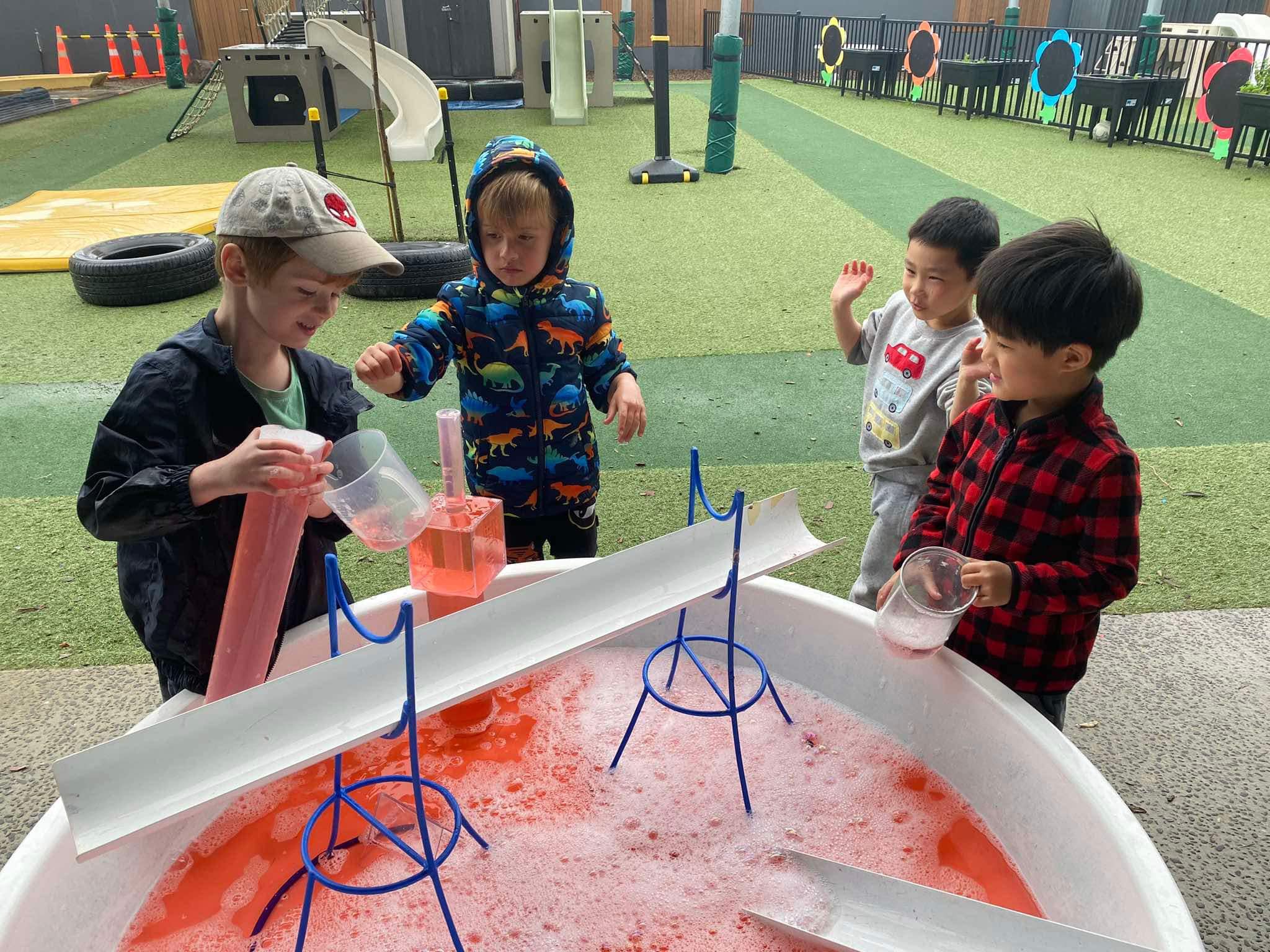
Sensory play can also make literacy learning fun and hands-on. Tracing letters in sand, foam or water gives children an opportunity to explore letter shapes through touch. These experiences help children develop confidence, communication and early literacy skills while building a positive attitude towards learning.


Developing Early Numeracy Skills
Numeracy is more than learning to count or recognise numbers. It helps children understand quantity, measurement, shapes, patterns and how things relate to one another.
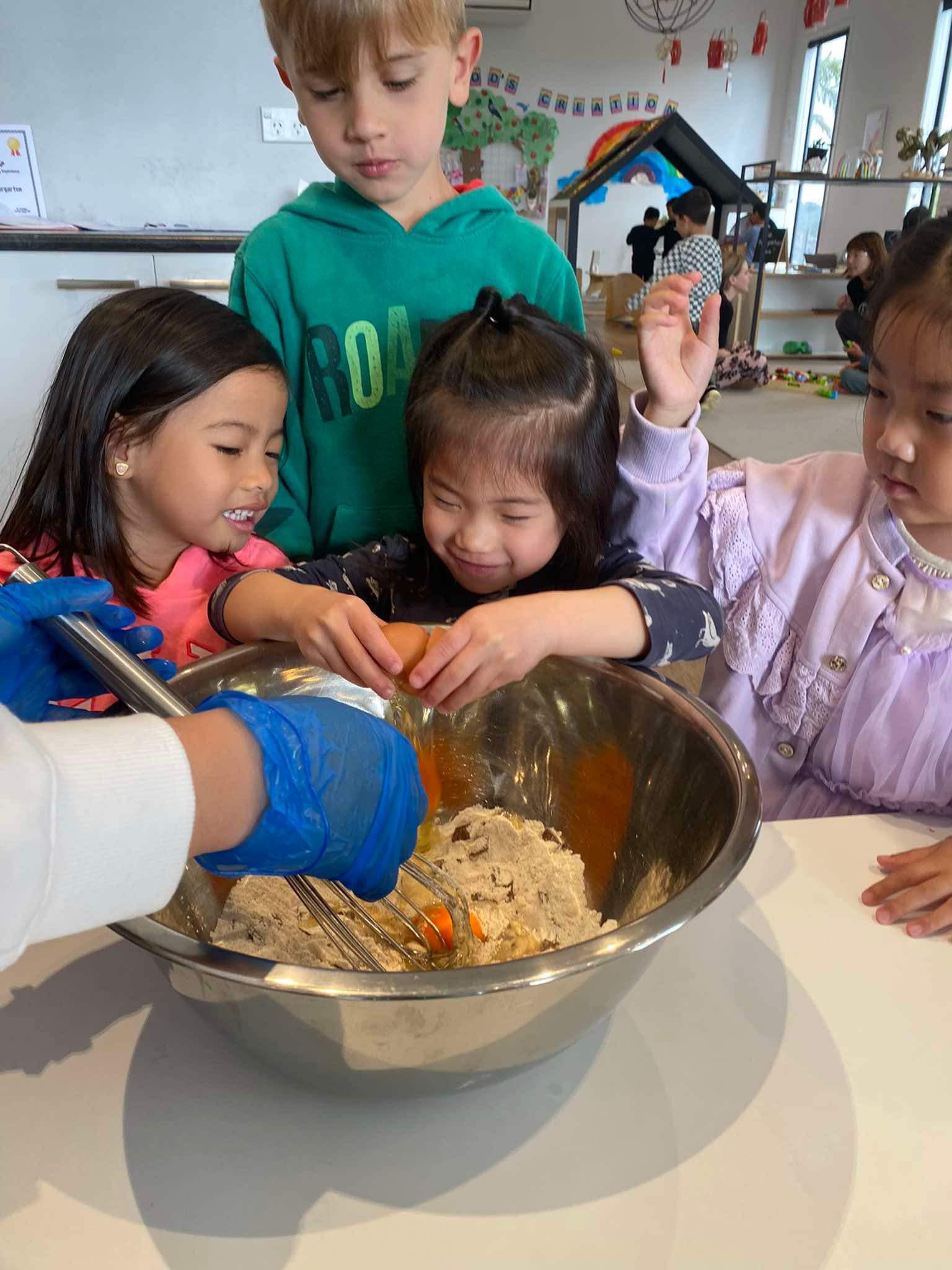
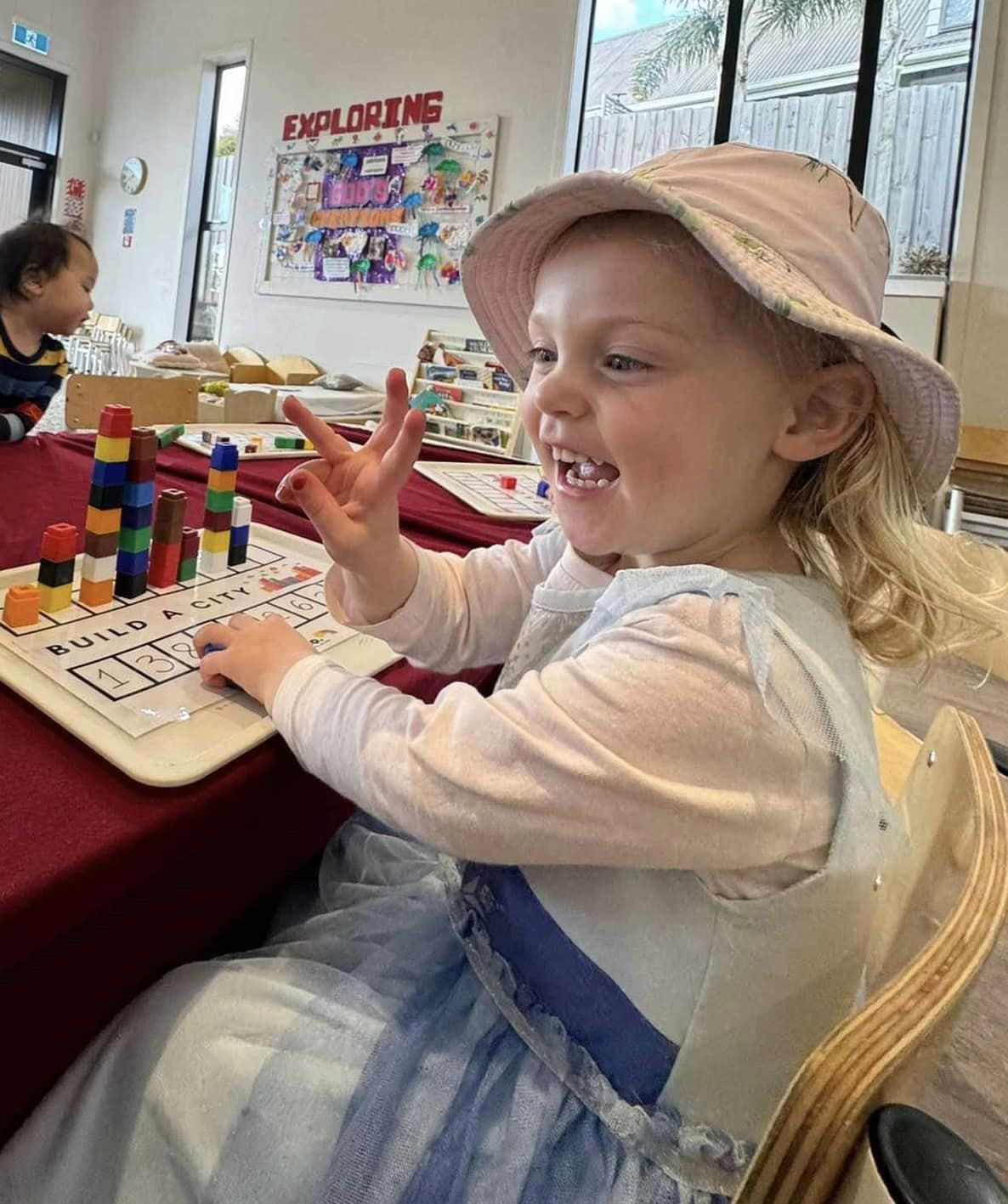
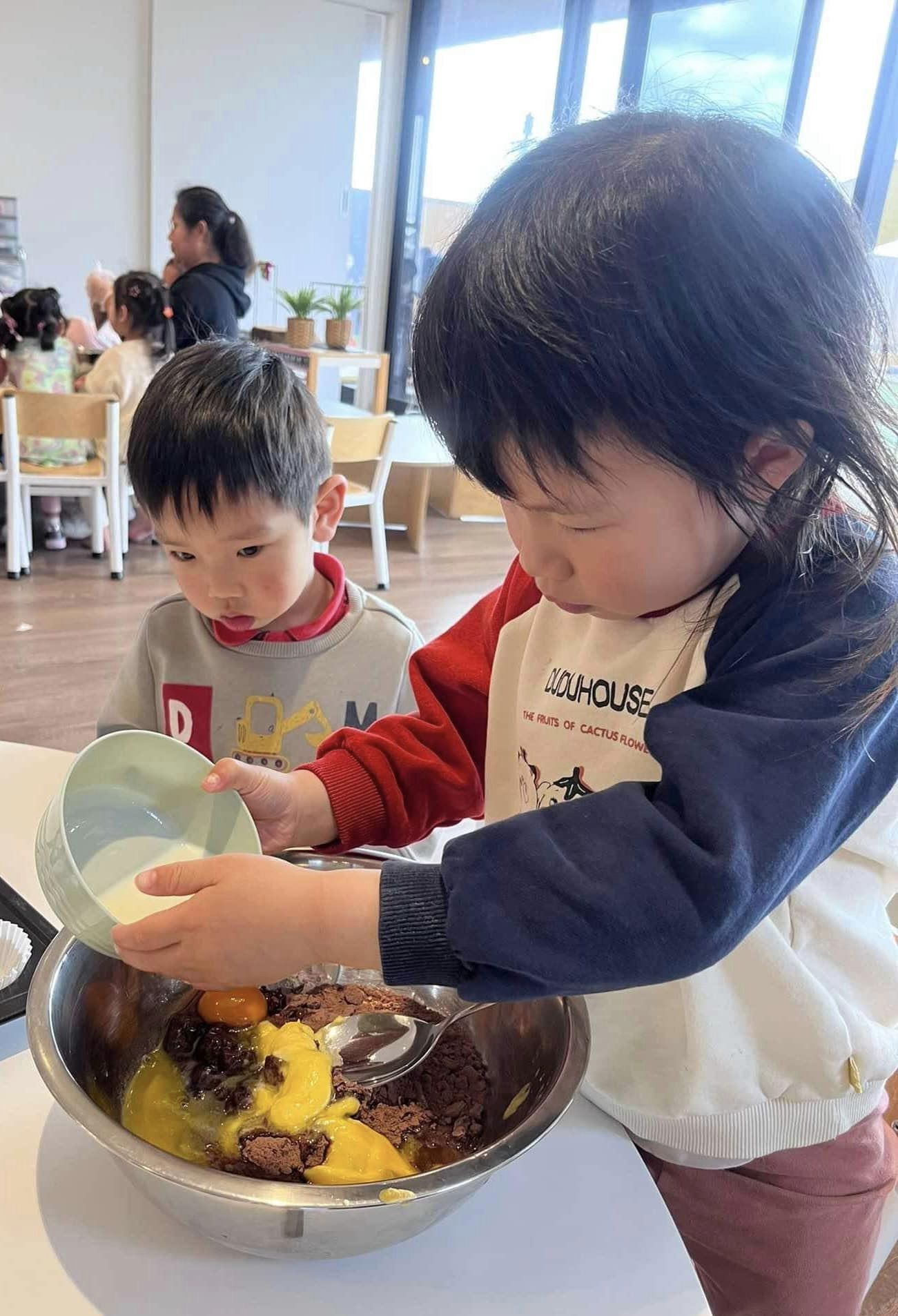
We naturally incorporate numeracy into everyday activities. Children might count how many friends are sitting at the lunch table, count toys as they are packed away or count the steps they take to reach the playground. Hands-on activities also give children opportunities to explore measurement and comparison. Sorting objects by size, using scales to weigh items or measuring ingredients during baking can help children understand concepts such as height, weight, length and size. Water and sand play provide opportunities to explore volume and capacity. Children can experiment with filling and emptying different-sized containers, asking questions such as, “Will more fit in this container?” or “How many scoops will it take to fill the jar?”
Through these experiences, children are encouraged to test their own ideas, make comparisons and solve problems.
Developing Skills Beyond Literacy and Numeracy
Our curriculum isn’t only about preparing children for reading, writing and mathematics.
The experiences children have each day also help them develop confidence, communication, collaboration, problem-solving and independence.
Group activities encourage children to listen to others, share ideas and work together. New challenges give children opportunities to persevere and build confidence as they master new skills.
Physical activities support their physical development, while creative and sensory experiences encourage children to explore their imagination and develop their own ideas.
These skills are all important foundations for learning and help children become confident and capable learners.